
The question isn’t whether computational design works. It’s how to make it scale—from isolated scripts to reusable assets. Computational design delivers immense power—but the outputs rarely scale. In conversations with firms, a consistent gap keeps coming up: the disconnect between authoring tools like Revit and flexible modeling environments like Rhino or SketchUp. Whether you’re using…
Un-Platform by Design: from Generative Design Tool to Generative Tech Stack

When we delivered the most recent round of API capabilities in Skema – it marked a major milestone. Skema became a platform, even though we did not set out to build one. There’s a story behind that, of course. The honest version? We didn’t mean to. When we first launched Skema, we were a generative…
How a Leading Architecture Firm Used Skema to Strengthen Early Design Decisions
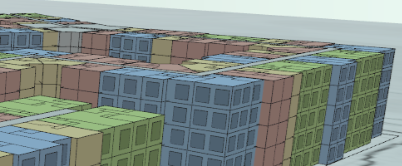
A leading architecture firm piloted Skema to understand how data-driven iteration and automation could streamline early-stage design and elevate the consistency and quality of early outputs. Using Skema the firm’s Technology Task Force rapidly generated multiple design scenarios and master plans, centralized unit-plan data, and cut time spent on repetitive manual work. The pilot proved…
The (well worn) pain of Revit groups
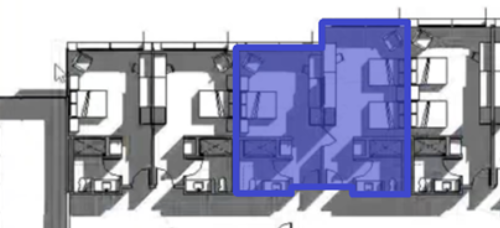
Imagine you’ve got a clean, well-built Revit group from another project. You want to copy it into your current project to save time and maintain consistency. Sounds simple. But the moment you paste it in, problems start cropping up, and the frustration sets in: Unexpected Baggage Groups often bring along things that don’t belong –…
Design in Rhino. Deliver in Revit. Sync It All with Skema

Skema keeps your models moving forward—without scripting or remodeling If you’re still manually rebuilding your Rhino massing in Revit, then you know just how frustrating the process can be. No matter how carefully you work — from detailed massing in Rhino to painstaking coordination — the handoff to Revit still breaks down. The bottlenecks aren’t…
Culture Eats Strategy for Lunch: It’s No Different for AI

The question isn’t just whether to adopt AI, but how to align it with your firm’s core strengths and values. Without this foundational step, any AI strategy runs the risk of failure. The January Design Futures Council was a great opportunity to spend time on the big question of value — defining and redefining value…
The Future of Computational Design: Where Scripts and Content Converge
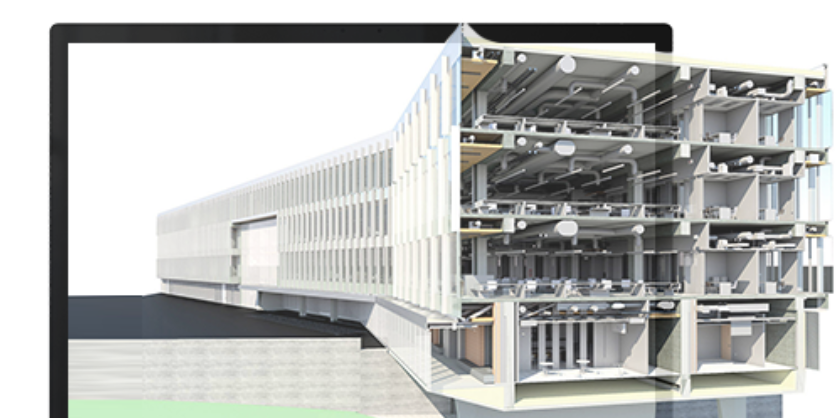
Architects and engineers face growing pressure to design faster and more flexibly while meeting the complexity of today’s projects. Computational tools with script-driven workflows, such as Grasshopper and Dynamo, have helped achieve these goals by automating repetitive tasks and enabling highly customized solutions. But these tools are not without limitations. Scripts require specialized expertise, are often…
Skema Launches Integration with Trimble SketchUp

Skema, our BIM 2.0 software startup, has launched a new integration between our platform and SketchUp, creating a smoother bridge between early-stage architectural design and full BIM production workflows. AEC Magazine covered the launch in their article today… Skema to streamline SketchUp to Revit workflow Traditionally, there has been a disconnect between the freeform, intuitive…
BIM BOM BOOM: My NXT BLD Session on Productized Construction
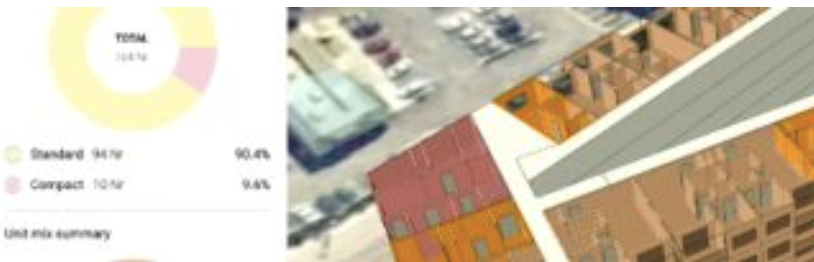
Despite a decade of immense investment in both North America and Europe, new companies driving industrialized construction have struggled to achieve stable, profitable businesses. My analysis at NXT BLD 2024 is linked below; BIM BOM BOOM: A roadmap to deliver profitable productized construction – Marty Rozmanith – Skema, Inc. My session at NXT BLD asserts…
Is BIM 2.0 the Answer? Dassault Systemes says YES!
There is a great article today in AEC Magazine about Dassault Systemes’ continuing foray into leadership of the AEC industry. Beyond BIM 2.0 with 3DEXPERIENCE The AEC industry is undergoing rapid transformation, driven by efficiency demands, sustainability goals, and evolving project needs. While the industry has progressed from 2D CAD to 3D Building Information Modeling…